


What is education and how does it differ? Some consider it the training they receive in a school or classroom, while others consider it the knowledge they acquire throughout life. Education is a deep, broad and comprehensive process of learning and development that enables a person to develop his or her mind and character. It instills values and builds habits. Education can take place anywhere and anytime. For example, it can occur at home, at preschool, or at school.
Informal education

What is informal education? Informal education is a broad term for education that takes place outside of a formal curriculum. It encompasses the interests of students within the curriculum, but does not take place in a traditional classroom environment. Instead, it takes place in conversation and exploration of experience. For example, a person can learn about a particular topic by talking to a friend, reading a book, or playing a musical instrument.
Informed by a professional qualification and detailed knowledge of the situation, informal educators can help anyone learn, including children and the elderly. Because informal educators don’t control the environment, they must develop sites that users will want to visit. In schools, informal educators operate in public spaces, engage students and staff in conversation, and make time for users to interact. But how can informal educators work in communities and with people of all ages? Here are some tips.
Preschool
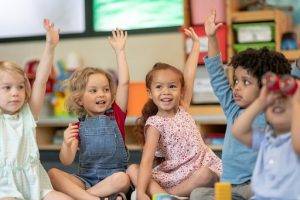
Early childhood education, especially preschool, promotes children’s general and pre-academic development. Preschool graduates have increased academic readiness, lower incarceration rates, and higher earnings than children who do not attend preschool. Preschool also helps children develop social skills, such as making friends and cooperating with others. The benefits of preschool education cannot be overstated. Children attend preschool and benefit from many ways, including the development of their social skills, communication skills, and self-confidence.
The physical development of children directly influences their abilities to learn. Children develop gross and fine motor skills necessary for writing and coordinating their movements. Preschool environments promote physical development, including play time outdoors. Preschool children build mind-body connections, which improve their self-confidence and prevent them from needing special education later in life. And, since physical development is necessary for later learning, preschool education can reduce a child’s need for special education.
Also Read : New York City Department of Education
Homeschooling
One of the most popular types of homeschooling is unit studies. In this type of education, the home educator takes a subject the student is interested in and integrates it into multiple subjects. Rather than allowing the student to choose a single subject and learn it, the home educator lives with that theme until the student has fully explored it. A unit on farming, for example, might include reading “Charlotte’s Web” by E.B. White, going on a field trip to a local farm, and learning about the science of farming and classifying the various types of farm animals.
Parents who homeschool may also feel compelled to teach specific subjects, such as math or science. However, homeschoolers may still be eligible for public school sports or extracurricular activities. Likewise, children returning to public school may still need to attend special education classes. However, the benefits of homeschooling are significant. Homeschooling is not as limiting as some people think. It is possible to find a model that works for your unique situation.